



VIC
Gallery & Videos
For a comprehensive range of images with descriptions of asbestos containing materials, visit the Asbestos Products Database.
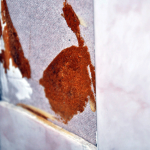
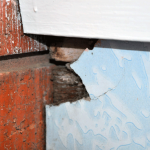
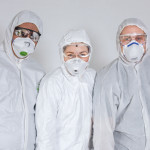
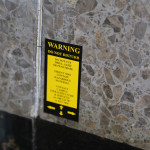
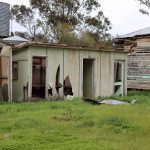
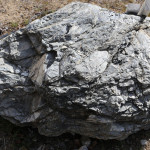
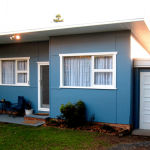
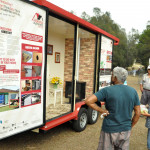
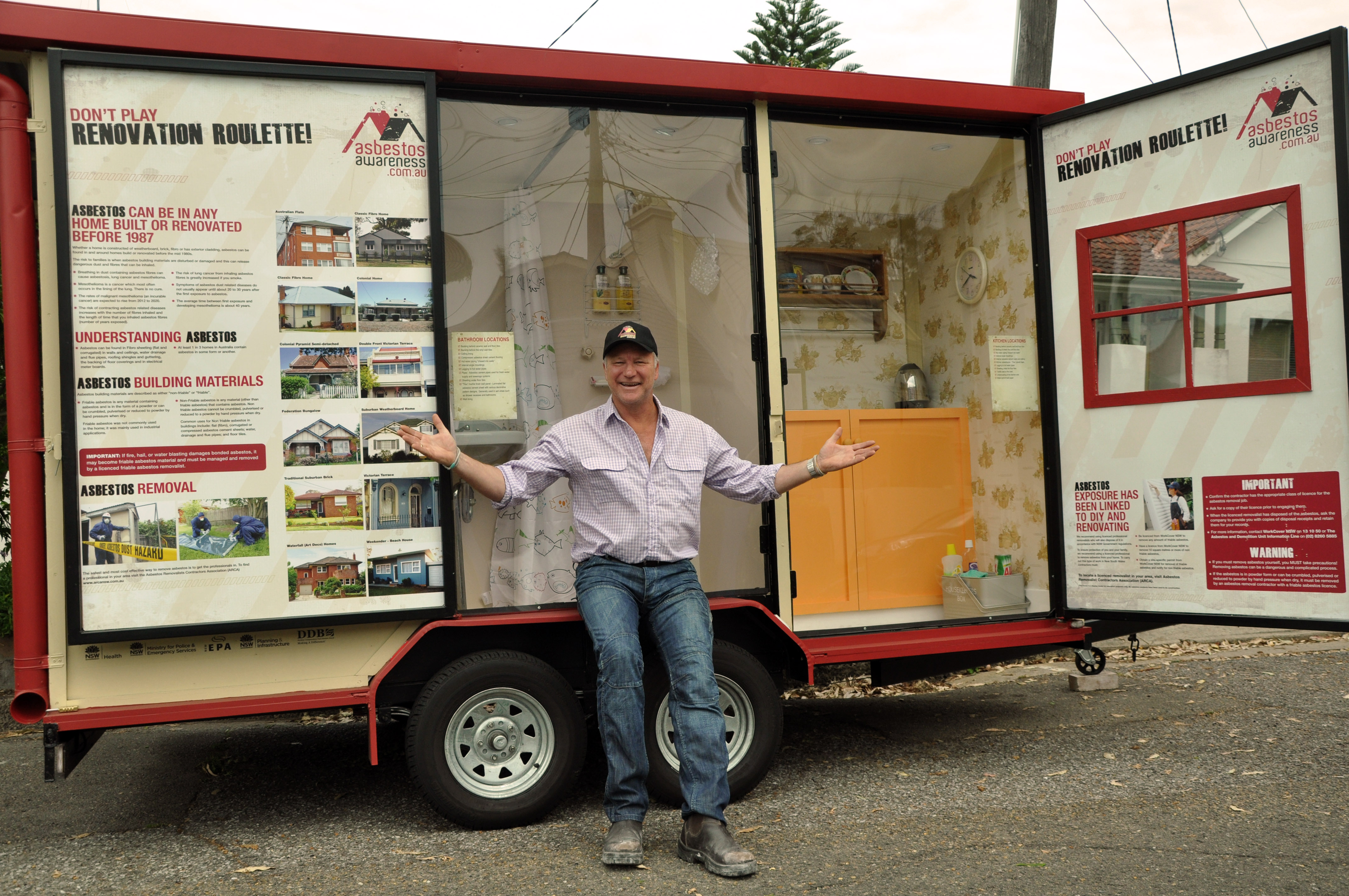
Betty The Asbestos Education House
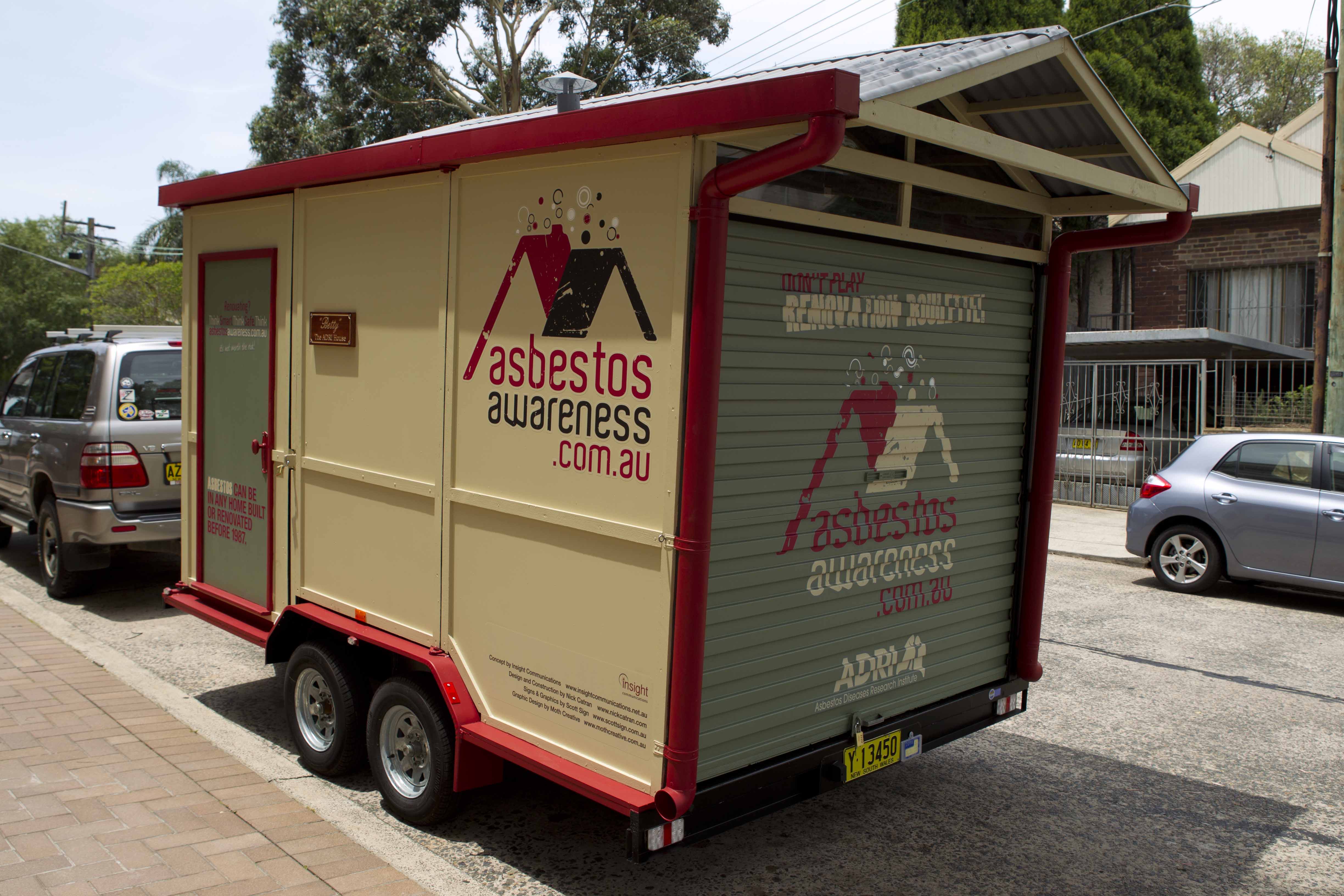
Betty The Asbestos Education House
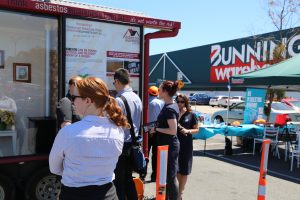
The first and only exhibit of her kind in Australia and the world, Betty – The Asbestos Education House is a community engagement and experiential awareness tool with the mission to save lives through educating Australians about the dangers of asbestos and how to manage it safely.
Created by Insight Communications, Betty is a purpose-engineered, mobile model home designed to demonstrate where asbestos might be found in and around any Australian home built or renovated before 1990. Betty’s exterior resembles a typical fibro home but when opened, she has extensive audio and visual information including a bathroom, kitchen, living room, man shed/garage and a doghouse.
Betty features integrated audio-visual capability and independent power supply, enabling exhibitions in metropolitan, regional and remote locations, including field days and outdoor events. Weighing approximately 1.42 tonnes and measuring 5.5 metres in length (including tow bar), 2.4 metres in height and 2.9 metres in width, Betty requires an appropriate four-wheel-drive tow vehicle for safe transport and deployment.
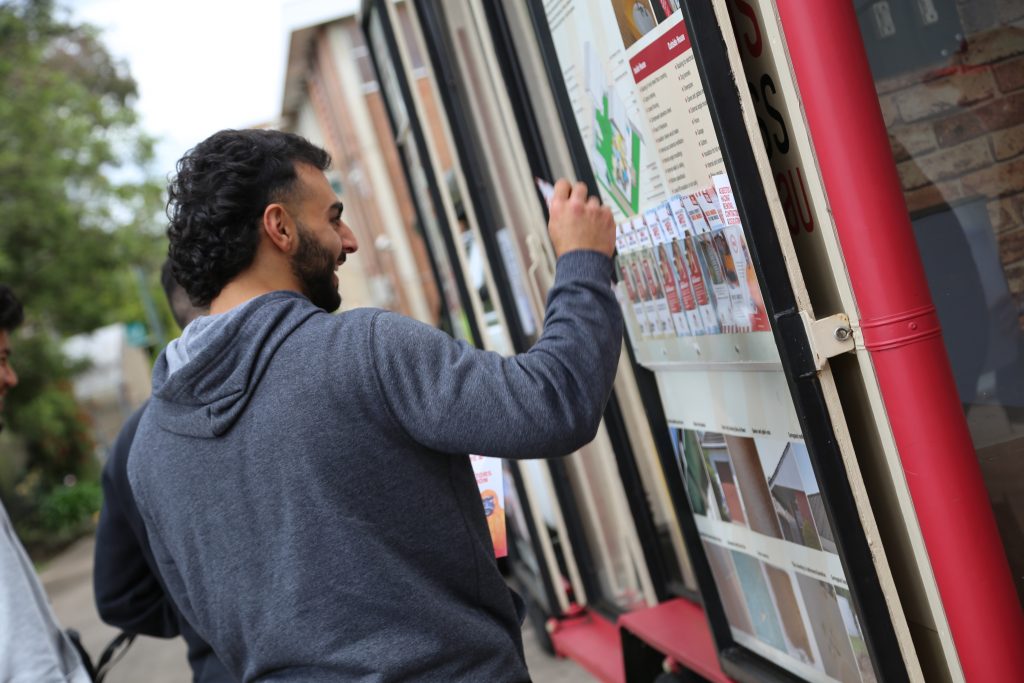
Betty drives traffic to asbestosawareness.com.au free resources
A key additional purpose of Betty is to direct Australians to asbestosawareness.com.au. Betty is a proven, award-winning experiential education initiative, and when she’s deployed, website traffic increases by around 190%, demonstrating strong behaviour-response and information uptake of our authoritative, practical education resources.
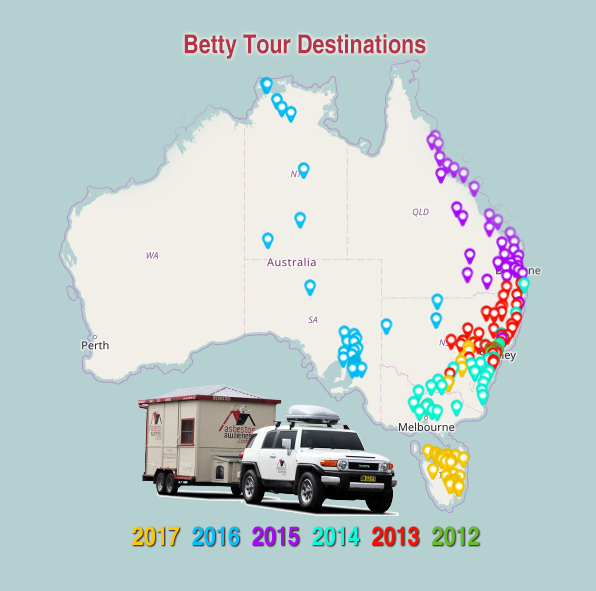
Between 2012 to 2017, Betty travelled more than 65,000 kilometres across every state and territory except Western Australia, appearing at hundreds of council, community, trade and industry events including major field days (AGQUIP), home shows and community shows (Sydney Royal Easter Show twice), retail outlets and over 73 Bunnings Warehouse Stores with tour funding and a tow vehicle provided by SafeWork NSW.
Betty has toured as far West as Uluru, as Far North as Cairns, as far South as Port Arthur (after a trip on the Spirit of Tasmania), and has toured to the back of Bourke, Coober Peedy and beyond.
To date, during Betty’s lifesaving adventures she’s delivered 265 public appearances, supported 213 media calls, and featured in more than 1,050 media pieces including national television, print radio and online, in multiple states and jurisdictions.
Geoff and Karen Wicks – Betty’s Curators
Betty’s tours are supported by her trained volunteer curators and chauffeurs, Geoff and Karen Wicks who enable Betty to educate the community while tending to her maintenance and upkeep. Geoff, a retired avionics engineer and avid DIYer and Karen, a retired hospitality professional, make a highly skilled team that delivers Betty’s lifesaving asbestos education message.
In recognition of their long-standing service to the community (since 2012), Geoff and Karen have been recognised with two SafeWork NSW special awards and a NSW Volunteer Team of the Year award.
National and International Recognition of Betty and Asbestos Awareness
Betty, asbestosawareness.com.au and our Australia-wide Asbestos Awareness campaigns have received national and international recognition from researchers, academics, asbestos diseases support groups and industry leaders for sustained public health asbestos awareness and prevention education activities.
Funding for Betty is Needed
Despite Betty’s proven effectiveness, since 2018, except for a handful of appearances, Betty has been off the road due to funding cuts. To help save lives, sustainable funding is desperately needed to maintain Betty’s operations, support touring capacity and extend delivery of this vital resource to under-served regions.
Only through funding can we ensure Betty and her dedicated crew can get back on the road to educate the community about asbestos risks and how to manage asbestos safely.
Betty’s Impact Snapshot
Since launching in November 2012 Betty has:
- Travelled over 67,000 km (as of March 2026)
- Been seen in person by over 1.5 million Australians
- Had 265 public appearances
- Held 213 Media Call events
- Generated +1050 media pieces across TV, print, radio and online
- Been displayed at 73 Bunnings Stores in NSW, NT, QLD, SA, TAS, and VIC
- Attended 13 TAFEs
- Toured every state and territory except WA.
- Partnered with councils across NSW, NT, QLD, SA, TAS, and VIC
- V
 isited various community events including:
- TAFE NSW
- The Sydney Royal Easter Show in 2013 and 2015
- The Sydney Home Show
- AGQUIP
- Disaster Risk Awareness Festival 2025
- The Ballina Home Show
- Coffs Harbour Waste Conference
- Home and Garden Show Bowral
- Lithgow Council Annual Safety Day 2014
- The Living Room
- Mona Vale Markets
- NAIDOC Week Events 2013, 2014, 2016, 2017, 2019, 2018
- Parramatta Council’s Australia Day Celebrations at Parramatta Park
- Ag Shows: The Royal Agricultural Society’s Camden Show, Parks Show and Condobolin Show
- Tocal Field Days
- Festivals: Seven Hills Festival 2025, Wilmot Festival 2024, Georges River Council’s Oatley Village Festival
- Fairs: Strathfield Spring Fair, Hills Shire Council’s Crestwood Fair
Follow Betty on Facebook
To partner with Asbestos Awareness and become a sponsor of Betty and the vehicle that tows her, please contact us to request a Partnership Prospectus.
Betty Physical Stats:
- Weight: 1.42 Tonne
- Towbar Weight: 100kg
- Body Length With Draw Bar: 5.5m Long
- Body Length – Just House: 3.6m Long
- Width: 2.4m Wide
- Height: 2.9m Tall
- Power: 240v – also has her own generator
Asbestos Awareness Month
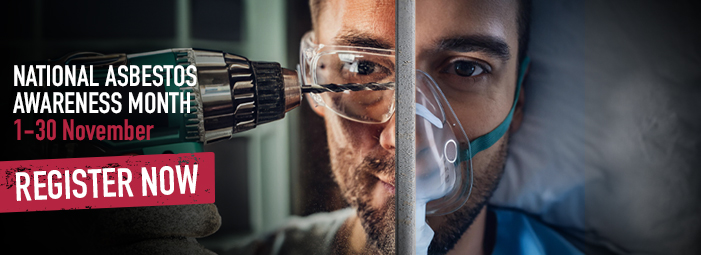
National Asbestos Awareness Month (1-30 November) is Australia’s leading multi award-winning asbestos awareness and community education campaign in the prevention of asbestos-related diseases.
The campaign and the website, asbestosawareness.com.au are nationally and internationally recognised leaders in asbestos risk education and prevention, delivering authoritative, evidence-based public information designed to reduce unnecessary exposure to asbestos fibres to save lives.
It is Australia’s only multi-award winning annual asbestos education campaign dedicated to asbestos-related disease prevention which drives traffic to asbestosawareness.com.au, Australia’s most comprehensive source of asbestos information.
With asbestos-related diseases continuing to increase among Australians as a direct result of exposure to asbestos fibres during home renovations or in the workplace; the importance of increasing awareness and educating Australians on how to manage asbestos safely in accordance with regulations cannot be overstated.
Key Campaign Achievements
- Since 2012, the campaign has secured 14,513+ media clips delivering 240 million opportunities for our lifesaving message to be seen or heard
- 13 Peer Reviewed Awards: 2 international, 5 national (2 in 2022), 7 state awards
- Engaged 100% of Australian council participation in awareness activities
- The campaign has been acknowledged 18 times in State and Federal parliaments across Australia.
- Academic Recognition: 2 top-tier academic Journals on Public Health including by Professor Thomas Douglas from the University of Oxford and in the International Journal of Environment Research and Public Health.
- Due to the effectiveness of our Asbestos Awareness Campaigns, asbestosawareness.com.au has:
- Received over 4 million pageviews.
- Had over 3 million sessions.
- Welcomed over 1M unique users.
- Averaged 11,000 users per month in 2021; a 32% increase on 2020. November averages a 37% increase on average months.
- Averaged 23,231 pageviews per month in 2021; 26% increase on 2020. November’s have a 76% increase on average months.
- Resources
- Over 1500 resources are available to the public to download.
- 267 are flyers, factsheets, posters and templates with the remaining being images, graphics, presentations and videos.
- These resources have been accessed over 569,000 times
- Videos have been viewed over 950,000 times with over 3.5 million impressions.
- Over 1500 resources are available to the public to download.
- National Archives of Australia
- So effective was the website that in 2015 it was formally selected by the National Library of Australia for inclusion in the national web archive as a significant online public health resource supporting asbestos exposure prevention. The site was subsequently re-selected for archival capture again in 2017, recognising its ongoing national significance and value to public health.
- Recognition of the innovative campaign led to invitations to present our campaign at 5 European forums in 2014 including UK, Spain, Germany and France.
Building on the Campaign’s Success
By extending Asbestos Awareness Week to become National Asbestos Awareness Month we increased opportunities to advance community awareness and education in the prevention of asbestos-related diseases.
Since 2013, we’ve led the ongoing development of a substantial suite of practical, user-friendly asbestos education resources. The campaign scope has progressively expanded beyond homeowners to include trades, domestic and commercial property owners and managers, and communities in regional areas including where Naturally Occurring Asbestos (NOA) is present.
The extension of Asbestos Awareness Week to National Asbestos Awareness Month significantly broadened community reach and engagement. Through sustained resource development and targeted program expansion over more than 15 years, the campaign has strengthened national awareness and education outcomes in the prevention of asbestos-related diseases.
National Asbestos Awareness Month and asbestosawareness.com.au garners international recognition.
The National Asbestos Awareness Month campaign and asbestosawareness.com.au are internationally acclaimed by academics, researchers, asbestos support groups and industry leaders for continuing to successfully generate wide-spread community awareness of asbestos risks while providing accessible free resources for homeowners, renovators, tradespersons and commercial, domestic and rural property owners and managers.
Asbestos Awareness Week & Month Campaign History
In 2011, we launched Asbestos Awareness Week in NSW with the first asbestosawareness.com.au website.
The week-long campaign held in the last week of November to coincide with Asbestos Awareness Day, was aimed at increasing awareness of the dangers of asbestos among homeowners and renovators to drive traffic to asbestosawareness.com.au where homeowners could access vital information on how to manage asbestos safely.
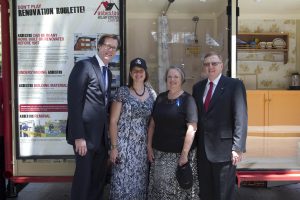
In 2012, Asbestos Awareness Week was rolled out as Australia’s first integrated national campaign.
The campaign aimed at engaging homeowners and renovators had been hugely successful in increasing the number of Australian’s accessing information on the website. However, research determined that although our week-long campaign continued to gain traction in engaging communities nationally; by extending the campaign to become Asbestos Awareness Month, we would engage a greater number of people to prevent asbestos exposure.
In 2013, we launched Australia’s first National Asbestos Awareness Month campaign.
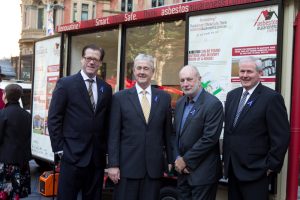
Australia’s first National Asbestos Awareness Month achieved wide-spread awareness of the dangers of asbestos and provided more practical resources to help homeowners and renovators manage asbestos safely.
In 2014, our campaign received global recognition.
Two international industry awards, presented in Madrid and Amsterdam, highlighted our leadership in asbestos awareness and public health education on the global stage.
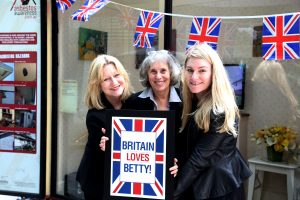
This global recognition created opportunities to engage directly with leading asbestos advocacy organisations across Germany, the Netherlands, the United Kingdom and France, as well as representatives of the UK Government. These engagements enabled the exchange of knowledge, strengthened international collaboration and reinforced the campaign’s role as a benchmark for effective asbestos education and prevention initiatives.
In 2015 we launched the worlds first Asbestos Products Database.
Developed in consultation with key stakeholders in 2014, including government and industry associations, the Asbestos Products database was launched in 2015 as an innovative, publicly accessible resource to help Australians identify materials that may contain asbestos.
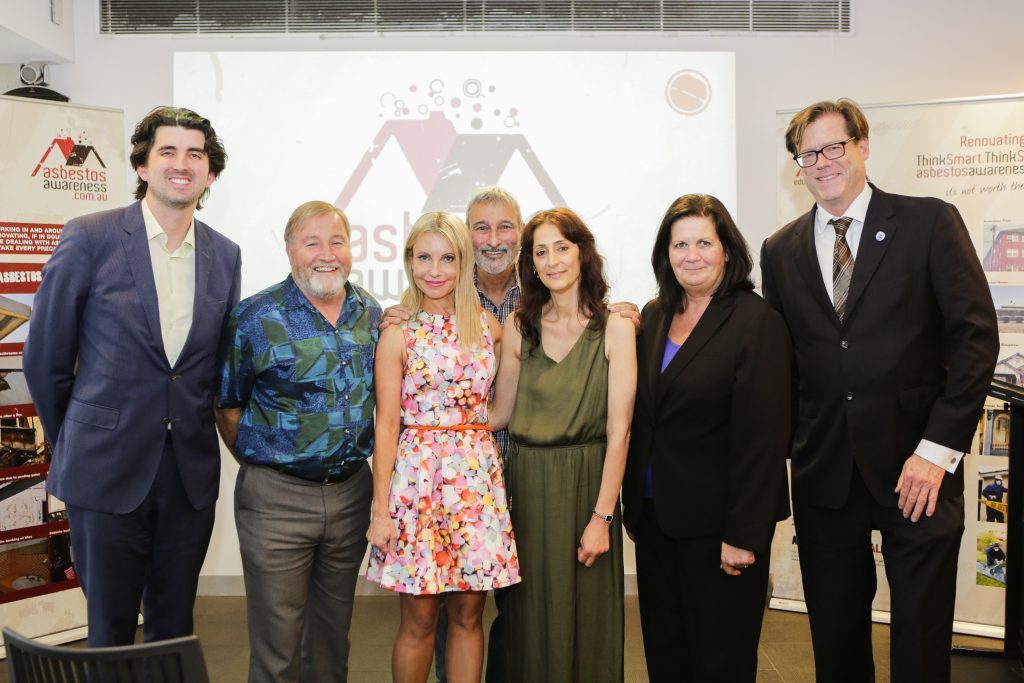
Designed to support homeowners, renovators and trades, it provides practical, evidence-based information on common products and where they may be found, enabling safer decision-making and reducing the risk of accidental exposure.
This world-first initiative marked a significant advancement in asbestos education, transforming complex information into a clear, accessible tool for everyday Australians.
In 2016, we launched Trades Resources & The Healthy House Checklist.
These practical, easy-to-use tools were developed for both tradespeople and homeowners, these resources provide clear guidance to help identify potential risks, manage exposure and promote safer renovation, maintenance and workplace practices.
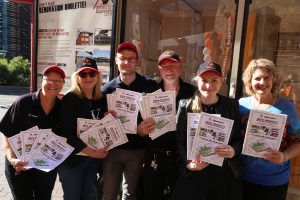
In 2017, we launched the world’s first Naturally Occurring Asbestos and Commercial Property Guidelines & Resources.
These pioneering resources were developed to address critical gaps in asbestos awareness, providing targeted guidance for regional communities where naturally occurring asbestos (NOA) is present, as well as for commercial property owners and managers. Designed to support informed decision-making and risk management, they deliver practical, evidence-based information to help prevent exposure and improve safety across diverse environments.
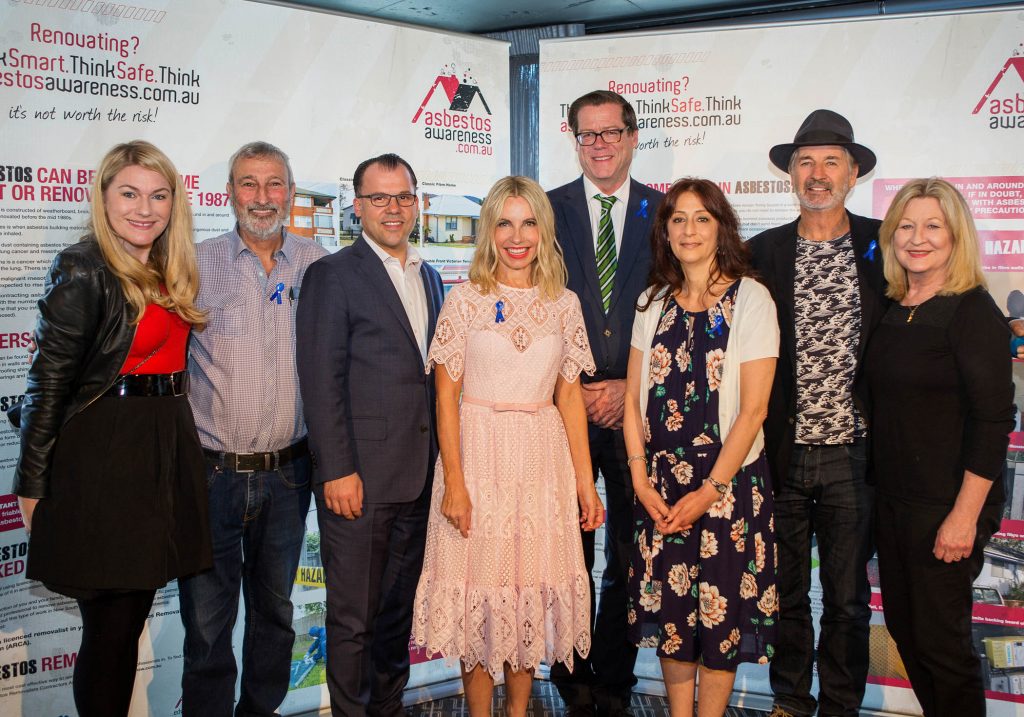
2018 Campaign funding ceased.
Since 2018, the annual campaign has operated without dedicated funding. In 2020, Advocacy Australia was established and a renewed Asbestos Education Committee formed to continue this critical works.
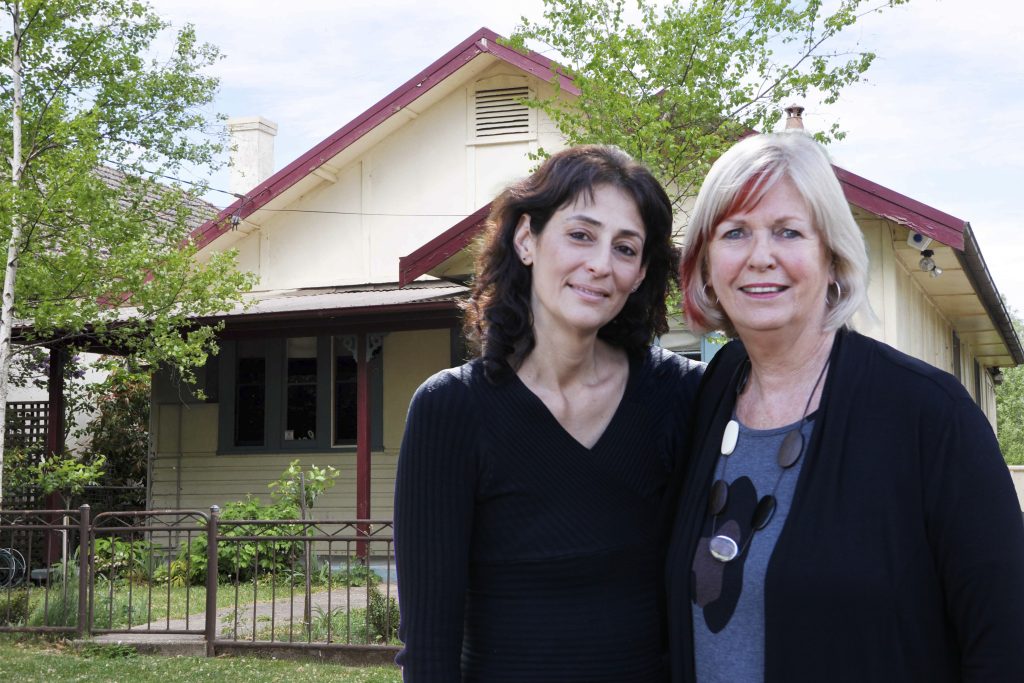
2021 abestosawareness.com.au dedicated to Asbestos Education Campaigners
To mark 10 years of service to the community, in 2021, the asbestosawareness.com.au website was dedicated to honour the work of two extraordinary women; the late Mrs Carol Klintfält OAM and the late Mrs Serafina Salucci OAM in recognition of their selfless acts of courage in advancing awareness of the dangers of asbestos to help save lives.
2022 Tradie Tookbox Talks
In 2023, we launched Asbestos for Young Tradies.
Developed in partnership with SafeWork NSW, and supported by funding from the NSW Government, this targeted
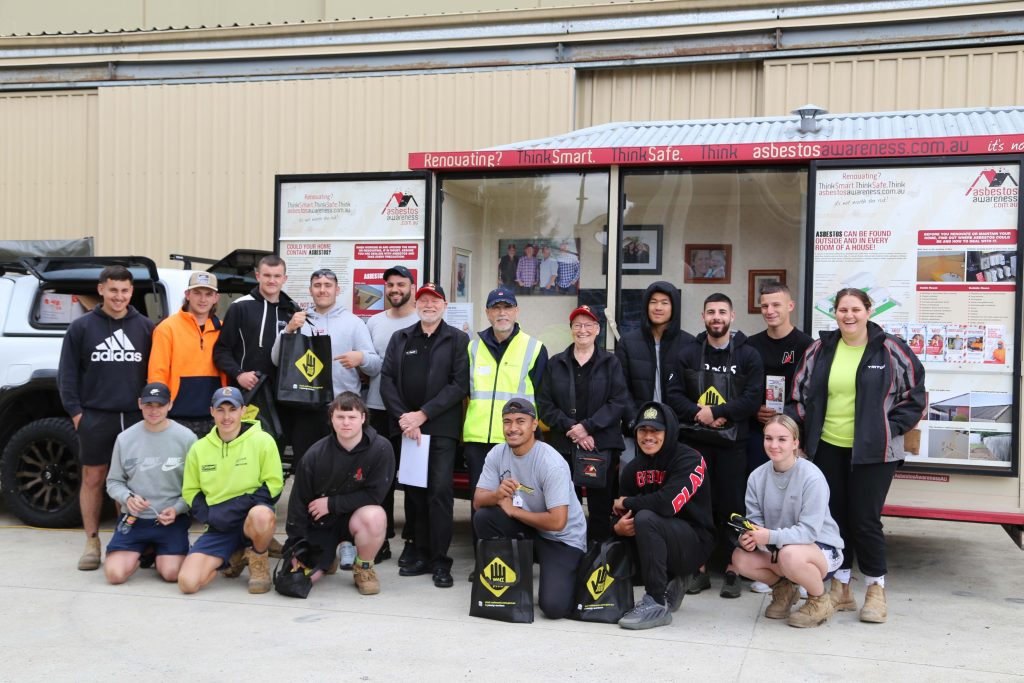
initiative was created to address the heightened risk of asbestos exposure among young and emerging workers.
Designed specifically for young workers, apprentices, trade teachers, employers committed to protecting their workforce, and families wanting to safeguard their loved ones, the resource provides practical, easy-to-understand guidance to help identify risks, adopt safer work practices and prevent exposure. This invaluable asbestos education resource is available as a free download, ensuring broad and accessible reach across the community. View Asbestos for Young Tradies
In 2024, we launched Australia’s first video series on Asbestos Identification, Testing and Removal.
Developed to provide clear, visual guidance, this series supports homeowners, renovators and tradespeople to better understand how asbestos is identified, safely tested and professionally removed. Featuring industry experts and real-world scenarios, the videos translate complex processes into practical, easy-to-follow information, helping Australians make informed decisions and reduce the risk of exposure. View series.
To participate in National Asbestos Awareness Month, register here to download free campaign resources.

Asbestos in the Home
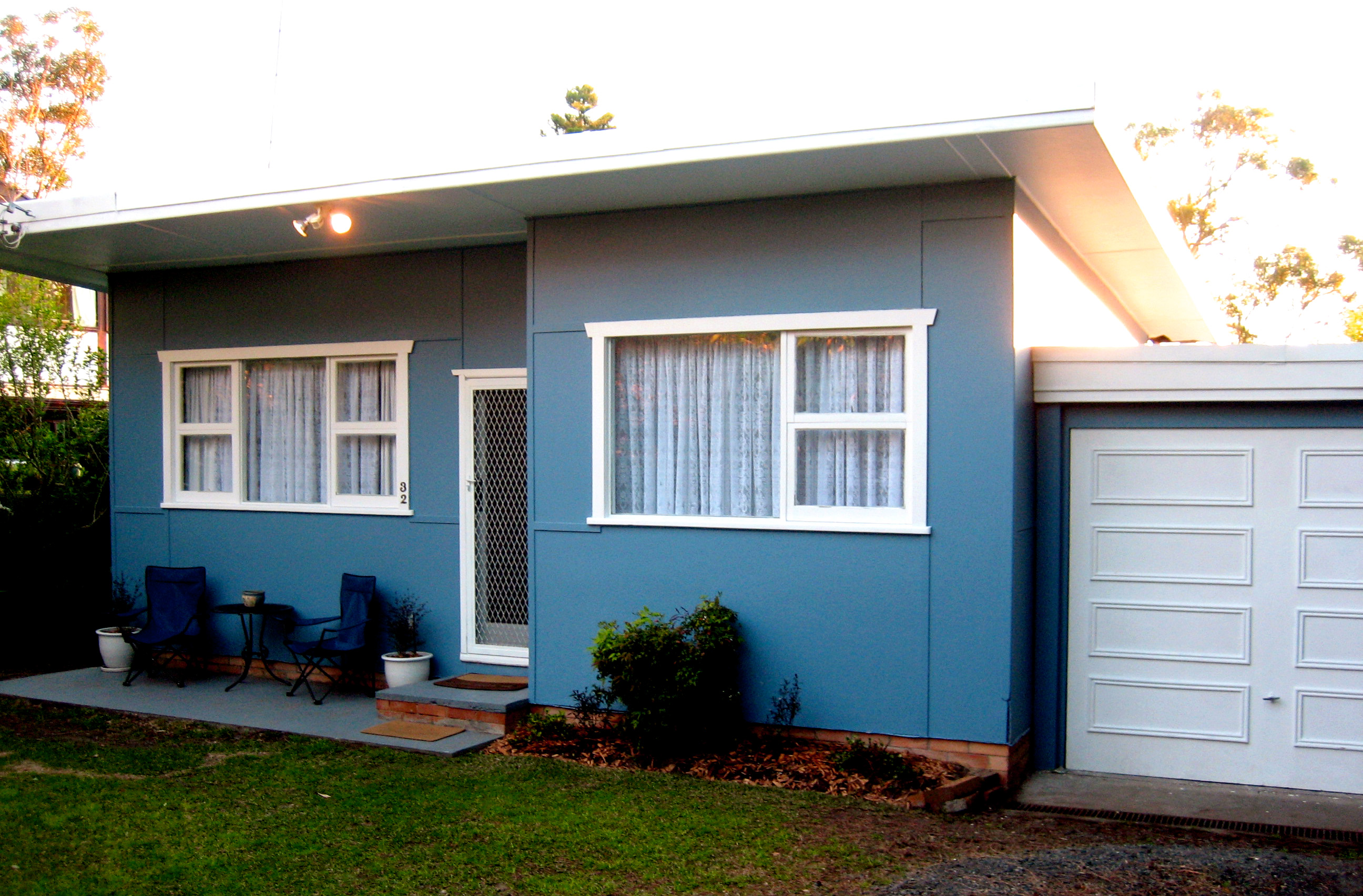 Asbestos fibres were used widely in thousands of building materials before the mid-1980s.
- If your home was built or renovated prior to 1987 it is ‘highly likely’ that it contains products incorporating asbestos.
- If your home was built or renovated between 1987 and 1990 it is ‘likely’ that it may contain some asbestos-containing materials.
- However, if your home was built or renovated after 1990 it is ‘unlikely’ that asbestos-containing materials will be present.
You may be surprised at the various types of products that were made from bonded asbestos cement included fibro sheeting (flat and corrugated), water drainage and flue pipes, roofing shingles and guttering – even the backing of vinyl sheet floor coverings.
The Residential Checklist is a visual guide designed to empower homeowners and renovators to develop a better understanding of the possible locations of asbestos containing 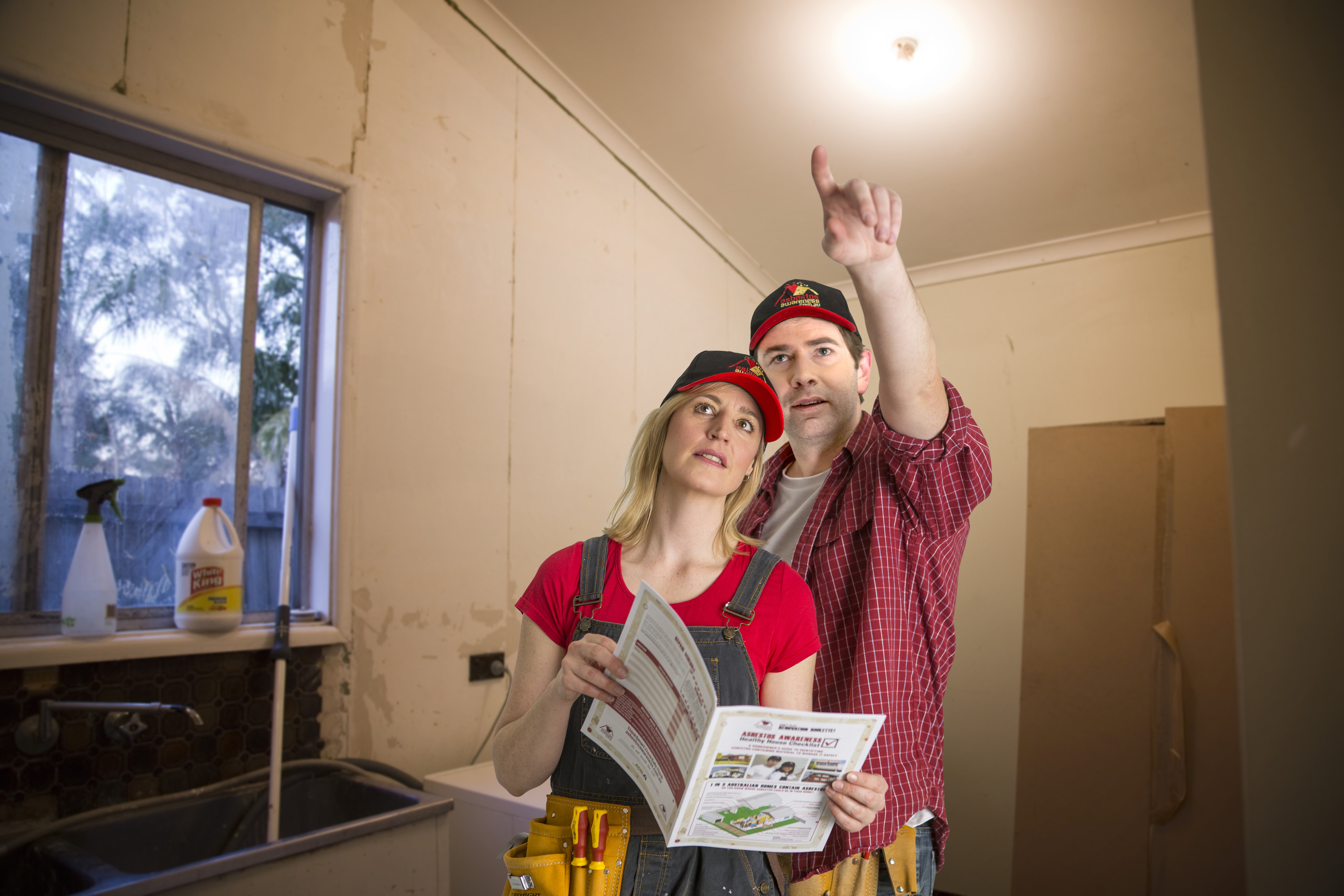 materials in and around homes, plus the knowledge to manage it safely. This practical guide enables homeowners to conduct a simple, easy to follow visual inspection of their property. By following the easy step-by-step instructions, in under an hour homeowners can have a better understanding of the types of products that might be in their home and if it’s in need of maintenance, repair or removal. Visit the Fact Sheets & Checklists page to access the Residential Checklist and additional pdf downloads.
Asbestos 101 for Residential Property Owners, Managers and Tradies is an educational resource developed for anyone who might do work on residential properties. Developed in accordance with government Work Health and Safety Regulations and Codes of Practice, Asbestos 101 for Residential Property Owners, Managers and Tradies is a comprehensive resource that provides Australians with vital information as to why asbestos is dangerous; the risks of working unsafely with ACMs; the steps to take if they come across materials they suspect may contain asbestos; the safety procedures required for tradies who are working on residential properties; the importance of engaging an occupational hygienist or licenced asbestos assessor to confirm if asbestos is present; and, why it’s vital to only use licenced asbestos removalists to ensure hazardous asbestos materials are removed and disposed of safely in accordance with government regulations.
The use of asbestos was discontinued in all fibro sheets and products by the mid-late-1980s. After this, asbestos continued to be used principally in friction products, for brake and clutch linings. The manufacture and use of asbestos products was banned nationally in Australia from 31 December 2003. However, asbestos is still widely used in some countries. Despite being a prohibited import in Australia, goods containing asbestos are still being located at the Australian border. For more information visit the Australian Border Force website or download the Australian Border Force Fact Sheet on asbestos imports.
The Importance of Safely Managing Asbestos in and Around the Home
- Most people can’t tell whether building materials contain asbestos just by looking at them.
- Unless you take the required safety precautions and follow regulations, Don’t cut it! Don’t drill it! Don’t drop it! Don’t sand it! Don’t saw it! Don’t scrape it! Don’t scrub it! Don’t dismantle it! Don’t tip it! Don’t waterblast it! Don’t demolish it! And whatever you do… Don’t dump it!
- If you do need to work with any material that may contain asbestos, always work so there is minimal dust or small particles released from the asbestos materials. Download Fact Sheet 1 or 2 for instructions on how to do this.
- Only scientific testing of a sample of material by an accredited National Association of Testing Authorities (NATA) asbestos testing laboratory can confirm the presence of asbestos. For information on testing and accredited laboratories in your area, call 1800 621 666 or refer to their website at www.nata.com.au. When searching for an asbestos testing facility use a capital A in Asbestos.
- Asbestos materials that are in good condition are unlikely to release asbestos fibres if left undisturbed.
- If asbestos materials are in good condition, paint them and leave them alone.
- For detailed information download the handbook Asbestos – A guide for householders and the general public.
- For important information about working with asbestos read Safe Work Australia’s Model Code of Practice: How to safely remove asbestos July 2020.
Understanding Asbestos
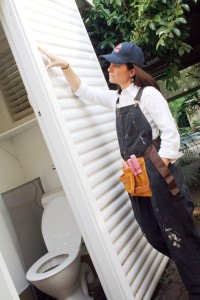 What is Asbestos?

Asbestos is a naturally-occurring fibrous silicate mineral. It was considered a versatile product, because it is able to withstand heat, erosion and decay and has fire and water resistant properties.
It becomes a health risk when asbestos fibres are released into the air and breathed in.
Asbestos building materials is described as either “non-friable” or “friable”.
Non-Friable asbestos is any material (other than friable asbestos) that contains asbestos. Non- friable asbestos cannot be crumbled, pulverised or reduced to a powder by hand pressure when dry.
Common uses for non-friable asbestos in buildings include: flat (fibro), corrugated or compressed asbestos cement sheets; water, drainage and flue pipes; and floor tiles. To find out more visit the Asbestos Products Database.
If fire, hail, or direct activities such as water blasting and drilling damages bonded asbestos, it may become friable asbestos material.
Friable asbestos material is any material that contains asbestos and is in the form of a powder or can be crumbled, pulverised or reduced to powder by hand pressure when dry.
Friable asbestos was not commonly used in the home; it was mainly used in industrial applications such as pipe lagging, sprayed limpet and asbestos cloth and rope.
Friable asbestos can only be removed by a licenced asbestos removalist with a friable asbestos licence.
Find Out More About Managing Asbestos
Fact Sheet 1: Working Safely With Asbestos Around The Home
To learn more information about government regulations in your state visit:
Loose-fill asbestos found in homes in NSW and the ACT
Loose-fill asbestos was sold as ceiling insulation In the 1960s and 1970s, for residential and commercial premises mainly by one company trading in the ACT as Mr Fluffy. Most properties impacted are located in the ACT, a small number of properties in south east NSW have also been identified as containing this type of insulation.
SafeWork NSW is contracting an independent specialist to work with the NSW Heads of Asbestos Coordination Authorities (HACA) to help establish the scope of properties impacted by loose-filled asbestos ceiling insulation material and providing assistance to local councils and homeowners of impacted properties as well as workers who have the potential to disturb loose-fill asbestos insulation.
For information on loose-fill asbestos ceiling insulation material installed by Mr Fluffy during the 1960s and 1970s please contact Service NSW on 13 77 88 or visit the Loose-Fill Asbestos Insulation Taskforce page.
It is Important Everyone Knows About Asbestos Health Risks and Safety Requirements
- While some people may ensure they follow the regulations and safety requirements to remove small amounts of asbestos themselves, we recommend retaining a licenced asbestos removal professional who is equipped to protect you and your family from the dangers of asbestos dust.
- In Australia, a complete ban of asbestos and its products became effective in 2003.
- Most people can’t tell whether building materials contain asbestos just by looking at them. Only scientific testing of a sample of material by an accredited National Association of Testing Authorities (NATA) asbestos testing laboratory can confirm the presence of asbestos. For a NATA Lab List call 1800 621 666 or refer to their website at www.nata.com.au. When searching for an asbestos testing facility use a capital A in Asbestos.
- When working in and around the home or renovating, if in doubt, assume you are dealing with asbestos and take every precaution
- The safest way to manage the removal of asbestos is to hire a licenced asbestos removal contractor
- Where asbestos fibres are friable (loose and not bonded into building materials), only licenced friable asbestos removalists are allowed to remove it
- If you do need to work with any material that may contain asbestos, ensure you take all the necessary precautions to protect yourself and minimise the release of dust or small particles from the asbestos materials that may affect others including children